The Hidden Damage Mold and Algae Can Cause to Your Home’s Exterior
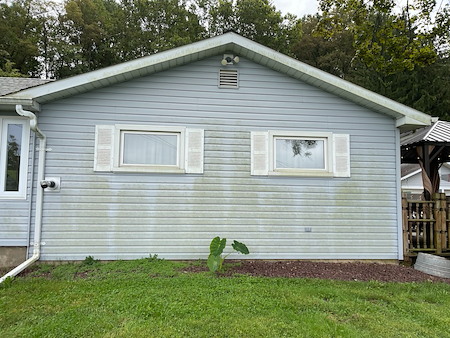
Mold, mildew, and algae look like simple stains, but they act like slow-moving threats that can shorten the life of your siding, roofing, decks, and concrete. Regular house washing clears away this organic growth before it breaks down finishes, opens the door to moisture, and spreads across your property. When you understand how these organisms work, you can stop problems early and keep your home looking cared for year-round.
If the exterior of your home already shows green film, black streaks, or musty patches, a careful cleaning plan can help. A trusted power washing team will match the right cleaning method to each surface so the growth is removed without harming paint, shingles, or trim. See how our team approaches a safe, thorough clean with our house washing service.
What Mold, Mildew, And Algae Really Are
Algae are plant-like organisms that feed on moisture and light. Mildew and mold are types of fungi that thrive anywhere damp and shaded. On home exteriors, they collect on north-facing walls, under eaves, behind shrubs, and anywhere runoff lingers. Once established, they hold moisture against your surfaces and spread by tiny spores. That trapped moisture creates the perfect setting for more growth and for surface breakdown.
Black streaks are living growth, not just dirt. Those streaks on roofing often come from a type of algae that feeds on the limestone filler in shingles. The same idea applies to the fuzzy green patches you see along fences, shaded siding, or porch rails.
How Growth Damages Siding, Roofs, Decks, And Concrete
Organic buildup hurts more than curb appeal. It slowly changes how materials behave in the weather. Here is what happens on common home surfaces when growth is left alone:
- Never ignore green film on shaded walls. On vinyl or fiber cement siding, algae and mildew trap moisture that can creep into seams and behind trim. Over time, you may see warping, chalking, or peeling paint on nearby surfaces.
- On asphalt shingles, algae colonies darken the roof, raising heat and drying cycles that age shingles faster. Mold and lichen hold moisture that can loosen granules and shorten roof life.
- On wood decks and fences, fungal growth breaks down fibers. Boards become slick, then spongy, then cracked. Railings collect grime where hands touch, which spreads more spores.
- On concrete and pavers, algae and mildew make a slippery film. Moisture and organic acids can open tiny pores and allow winter freeze-thaw to chip edges and widen hairline cracks.
All of this can snowball. The more growth you have, the more water gets held against the surface. That water invites more growth and accelerates wear. Thoughtful cleaning interrupts the cycle.
Why Moisture, Shade, And Season Matter
Moisture is the fuel for these organisms. Shade helps them grow faster. After spring rains, spores take hold on cool, north-facing walls, porch ceilings, and spots hidden by trees and shrubs. In summer, humidity and morning dew keep those spots damp for hours, giving growth more time to spread. In fall, wet leaves collect in gutters and along foundations, feeding molds that creep onto lower walls.
Winter can hide problems. Algae on walks and steps can freeze into a slick layer. Repeated freezing and thawing with water trapped by growth can stress concrete and open small pits. If you notice dark patches that stay wet long after the rest of the wall dries, that is a sign that buildup is already holding water where it should not.
Soft Washing Versus High Pressure: Choosing The Safe Method
Not every surface can handle high pressure. Siding, painted trim, and many roofing materials should be cleaned with a controlled, low-pressure process often called soft washing. It uses targeted solutions and gentle rinsing to lift away growth without forcing water behind siding or stripping finishes. High pressure is reserved for the right hard surfaces and only at settings that protect joints and coatings.
Avoid high pressure on siding. Forcing water under laps and into window seams can cause interior moisture problems and streaks that are hard to fix. A professional will read the surface, test runoff, and control distance and angle so your home gets safely clean.
When you choose a pro, you are also choosing the right prep. That can include covering delicate plants, checking downspouts, and setting safe work zones around outlets and fixtures. The goal is a complete clean that protects your paint, roofing, and landscaping in one visit. Learn how our team applies a safe, low-pressure approach with our soft washing services.
Callout: Shaded sides of a home stay damp longer. That is why green film often returns first on the north or tree-covered walls. A regular cleaning plan focused on those areas can reduce repeat growth and protect trim and caulk lines.
Early Warning Signs You Shouldn’t Ignore
You do not need to wait for thick buildup to take action. These early clues tell you it is time to clean before damage takes hold:
- Green haze or speckles on lower siding, porch rails, or fence posts.
- Black streaks or dark patches on roof shingles that spread after rain.
- Slippery feel on steps, pavers, or shaded concrete paths.
- Musty smell near shaded walls or plant beds that touch the house.
- Dirty drip lines under eaves where moisture lingers after storms.
If you see one or more of these signs, plan a cleaning before the next wet stretch. Acting early protects finishes and keeps walkways safer for your family and guests.
How Professional House Washing Stops The Damage
Expert cleaners do more than rinse. They diagnose where moisture collects, what type of growth is present, and which surfaces need different handling. A professional process often includes a gentle pre-soak to release buildup, controlled dwell time, and a careful rinse that does not push water where it should not go.
Pros understand how different materials respond. Vinyl siding flexes and can trap water if sprayed from the wrong angle. Fiber cement holds heat and can dry blotchy without the right technique. Painted wood needs a lighter touch around joints and trim. Pavers have sanded joints that should not be blasted out. Knowing these details is the difference between a temporary fix and a lasting clean that helps your home resist future growth.
Benefits You Can See And Feel
When you keep up with cleanings, your home ages better and stays safer. Homeowners often notice these benefits right away:
- Brighter siding and trim that reflect light and make the home look cared for.
- Roof shingles that stay cooler and dry faster after summer storms.
- Deck boards with better traction and fewer soft spots over time.
- Walkways with more grip in damp weather and fewer dark, slick patches.
- Fewer musty odors near doors, porches, and shaded garden beds.
Curb appeal is part of it, but the real win is reducing how long moisture sits on your home. Less moisture means less growth and less stress on paint, sealers, and shingles.
Simple Timing For A Clean, Protected Home
Most homes benefit from one thorough cleaning each year, with touch-ups on the shadiest sides as needed. After a wet spring, plan a full wash to clear pollen, algae, and mildew before summer heat bakes stains into the surface. If your home backs up to trees or a lake, you may need a focused mid-season visit on the problem walls. After leaves fall, inspect gutters and lower walls for damp streaks that could lead to winter slip spots on steps and sidewalks.
Keep growth from getting a head start by trimming shrubs away from siding and allowing airflow around the base of the home. Check that downspouts send water away from foundations. When walls dry quickly after rain, algae and mildew struggle to take hold. If you are exploring options for house washing and want a plan that fits your property, our team is ready to help.
Why Working With Specialists Matters
Choosing a qualified power washing company gives you a safer, more consistent result. Technicians who specialize in home exteriors bring trained eyes, the right tools, and a process built around protecting finishes. They will explain what they see, set expectations, and perform a final walk-through so you can spot-check high-touch areas like railings, steps, and entryways.
Look for a provider that talks through surfaces one by one. Siding, roofing, decks, and concrete each tell a different story. A good plan adapts the cleaning method to the material and the level of buildup. That is how you get a clean home without swirl marks, lifted caulk, or etched concrete.
Answers To Common Homeowner Concerns
Many homeowners worry about water getting behind siding or streaks showing up after the wash. With the right low-pressure approach and rinse angles, those risks are managed. Others ask if dark roof streaks will come back quickly. Keeping trees trimmed and gutters clear helps, and so does a maintenance schedule that focuses on the shadiest walls and roof planes first. On concrete and pavers, a smart cleaning plan respects joints and edges so walkways stay stable and attractive.
Porous materials hold moisture longer, so they need a more careful approach. The aim is to remove the growth and the film it lives in, then rinse in a way that helps the surface dry faster the next time it rains.
Protect Your Investment With Pro Maintenance
When mold and algae are left to grow, they trap water, stain materials, and speed up wear. A yearly professional cleaning interrupts that cycle. You get a brighter home, safer steps and walks, and less stress on paint and shingles. If your to-do list is full, booking an annual visit keeps your exterior on track with very little effort from you.
Schedule professional house washing to stop mold and algae before they spread. Call BSG Exterior Cleaning, LLC at 908-300-7464 for friendly help and a plan that fits your home.
Take Control of Your Surroundings With Bsg Exterior Cleaning, Llc!